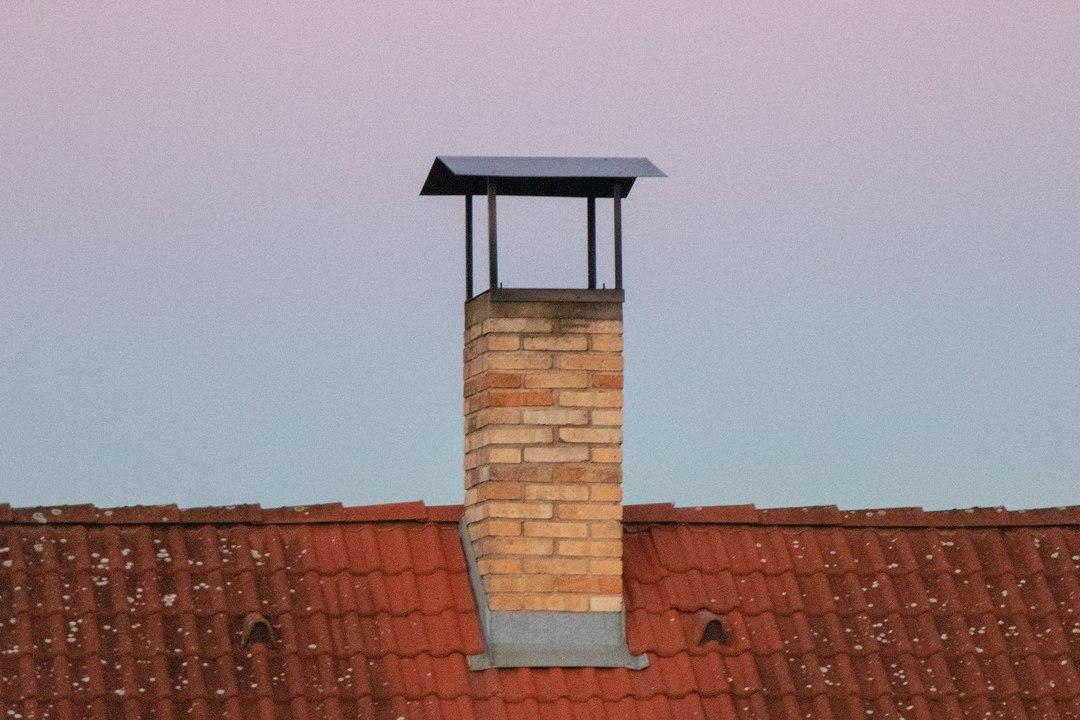
The drip has a schedule, and the schedule is a clue
Damp drywall in the corner where the chimney meets the ceiling is one of the most common reasons owners in Riverside call us between December and March. The first instinct is to blame the roof. Sometimes that is right. More often, the water is coming in at the chimney itself and travelling a short way before it shows.
Before anyone climbs a ladder, the way the leak behaves already narrows the search. We ask three things on the first call: when it shows up, where it shows up, and how long after the rain stops it keeps coming. Those answers do not replace a visit, but they tell us what to look at first and roughly which price band you are in.
Reading the timing
| What the leak does | Where we look first |
|---|---|
| Shows up only when wind drives rain from one direction | The roof metal and brick on that face of the chimney |
| Starts during heavy rain and stops within hours | The metal where the roof meets the brick |
| Appears a day or two after the storm and lingers | Water soaking down through the brick or a cracked crown |
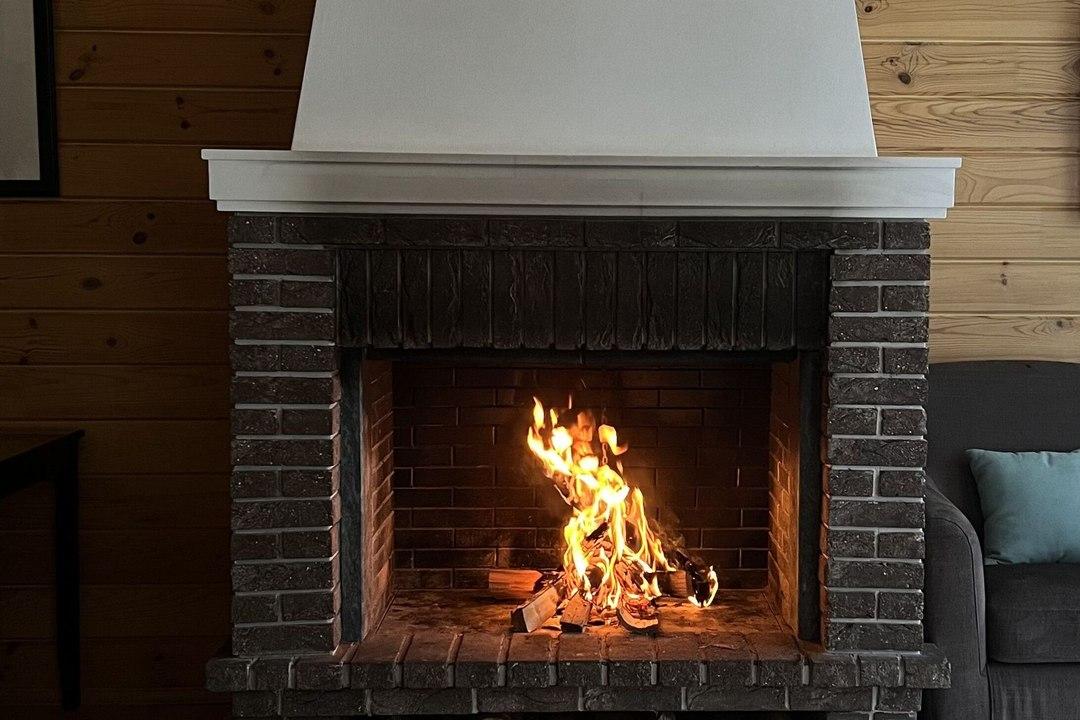
| Water on the firebox floor or rust on the damper | An open flue, a missing cap or a broken crown |
| Gets worse each year, never quite dries | More than one source, often metal plus masonry |
None of these is certain on its own. A chimney can let water in at the top and at the roof line in the same storm. That is why we walk the whole chimney on every leak call, even when the first answer looks obvious.
The roof metal is the usual suspect
The seam where a roof meets a brick chimney is the weakest point on most Riverside houses. It relies on folded metal pieces that let the two materials move apart and back without opening a gap. When those pieces rust, lift, or were simply smeared over with roofing cement years ago, rain gets behind them and follows the brick down into the attic.
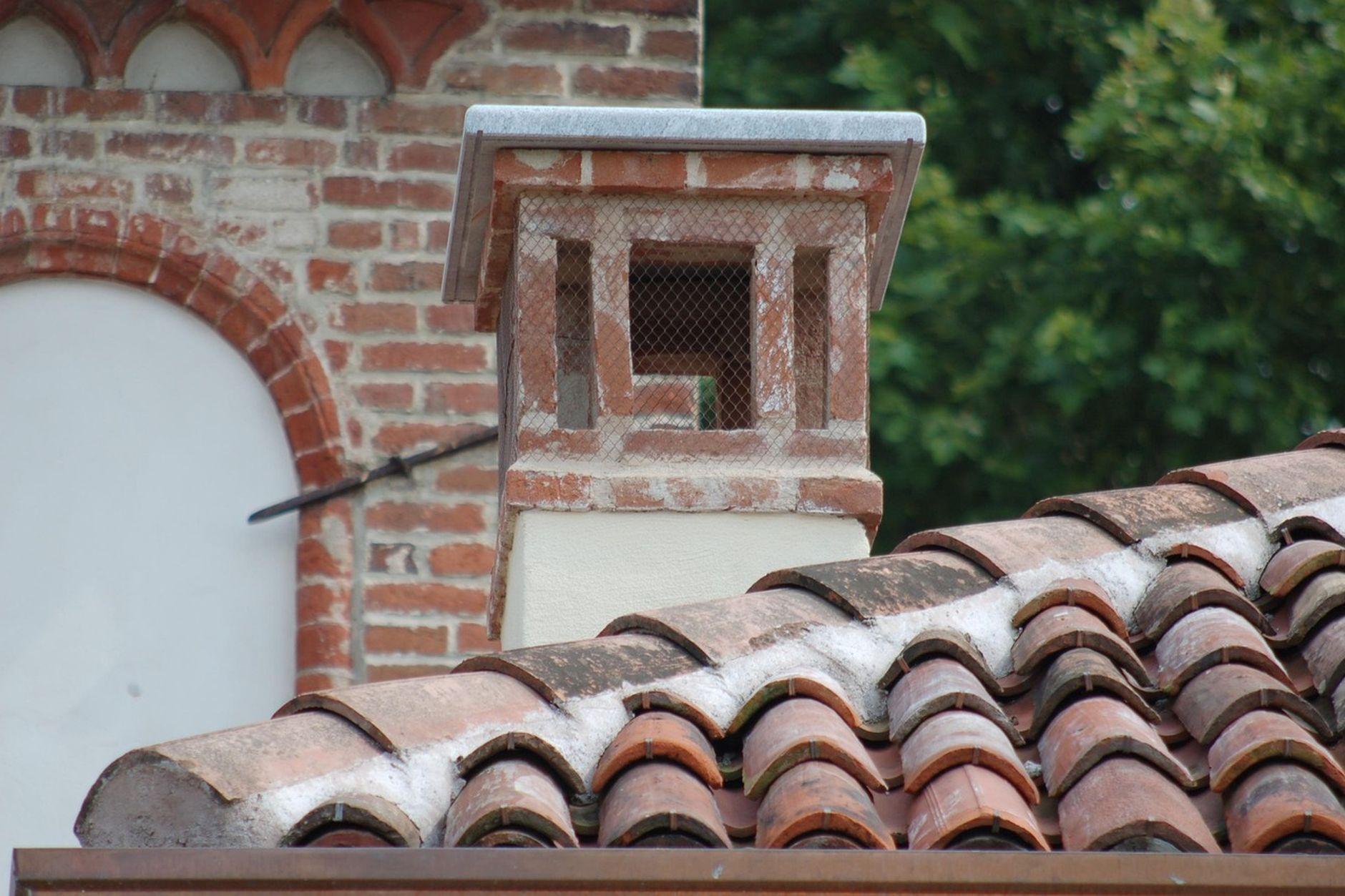
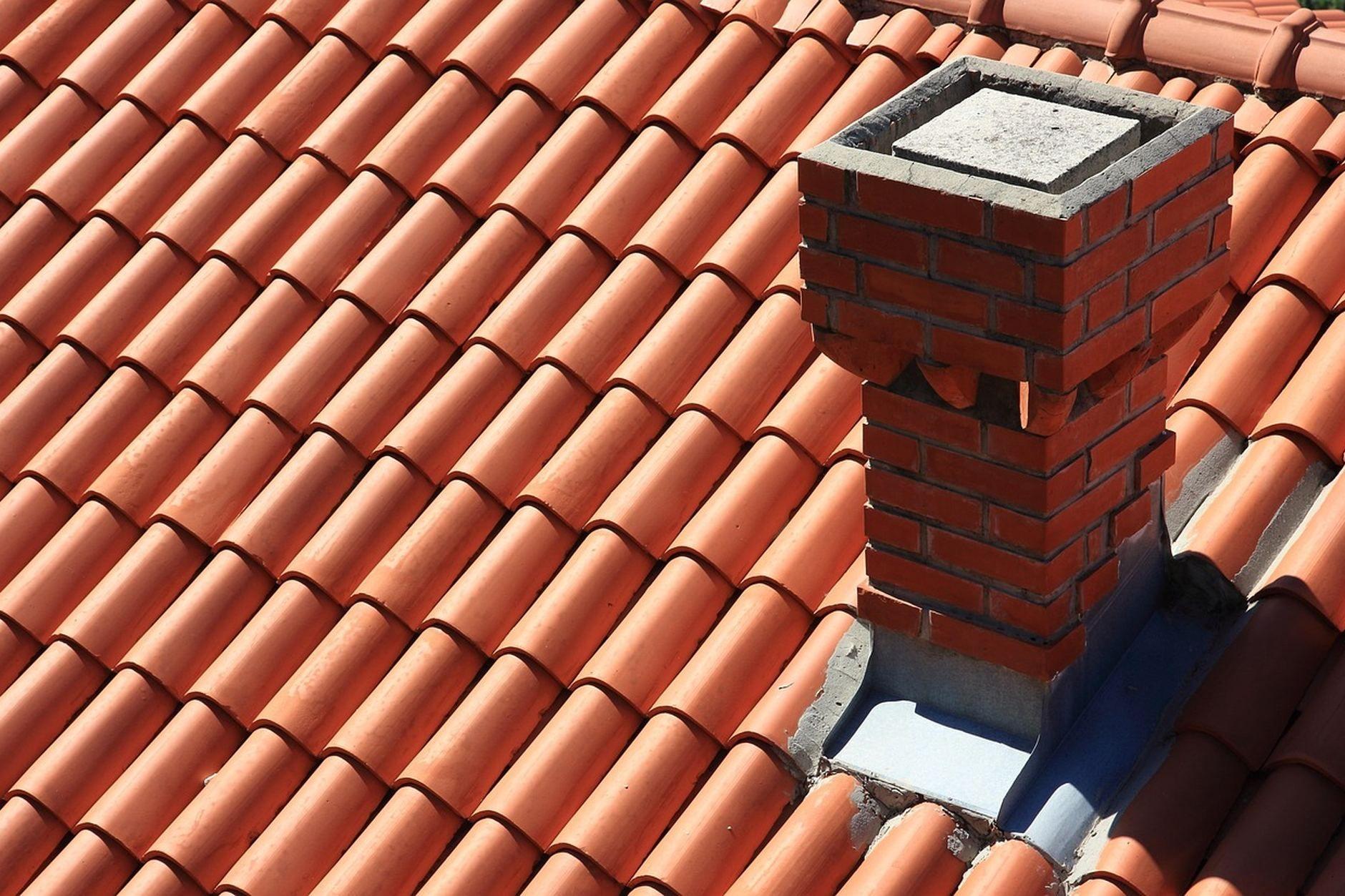
On a tile roof, which is common across the Inland Empire, the job is slower than on shingles. Tiles around the chimney have to come up carefully and go back down, and any that crack get swapped. That handling time is part of why chimney flashing repair on a tile roof sits higher in the price range.
The wide chimney problem
Chimneys wider than about two and a half feet across the slope tend to hold water and leaves against their uphill face. The metal on that side never quite dries, and it fails first. The fix is a cricket: a small framed and covered ridge on that side that pushes water around the chimney rather than letting it sit.
A cricket on its own costs $460 to $1,040 with us. When the metal around the rest of the chimney is worn out too, we do both together for $695 to $1,700, which costs less than two separate visits.
Leaks from the top
Water that ends up in the firebox, or rust stains on the damper, almost always comes from above. A flue with no cap collects rain directly. A crown with cracks lets water into the brick, where it soaks down slowly and appears days later.
A new cap is quoted after we measure the flue. Its size and the number of flues it covers set the price. Crown work is measured on the roof before it is priced; fine cracks get sealed, while a top that has split apart or was poured flat gets recast. More on that in Cracked Crown or Missing Cap?.
What the leak repair price covers
Our leak repair band is $580 to $3,450. Where a job lands depends on:
| What moves the figure | Low end | High end |
|---|---|---|
| Sources found | One clear point of entry | Several, each needing its own repair |
| Roof covering | Shingles, low pitch | Tile, steep or two storey |
| Metal | Resealing and refitting what is there | All new pieces, cut into the brick |
| Damage behind | Dry framing | Wet wood or soft mortar that has to be dealt with first |
The price covers finding the entry points and stopping them. Ceiling drywall and paint inside the house are separate and are usually wiser left until the leak has been through one dry spell and one storm.
Once you have a rough idea from the timing table, the next step is a visit to confirm it. Use the form at the top of this page to tell us which room the damp is in, which wall or corner, and whether it shows up during or after rain. We come out, find every place water is getting in, and give you a written figure before work starts.
What a season of waiting does
Leaks do not stay small. Each storm adds water to the same spot, and Riverside's dry, hot months then bake the wet materials. The cycle is hard on everything it touches. Drywall softens and stains. Insulation in the attic packs down and stops working. The wood framing beside the chimney stays damp long enough for rot to start. Mortar in the brick slowly washes out, and the damper plate rusts in place.
A leak caught after one season is usually just the metal or the cap. A leak left for three or four seasons can add carpentry, drywall and masonry to the bill. Our reports state that cost of waiting beside each finding, so you can see it in plain numbers.
Coastal and inland differences
Tustin sits closer to the ocean than Riverside, and the salty marine air there can rust roof metal sooner. Hillside roofs in Diamond Bar and Brea are often steeper, which makes the work slower. The price bands are the same everywhere we work; where your house sits within them depends on the roof, not the city.
Book a leak visit
Let us know through the contact page which part of the house is getting wet and when, and we will come out to find the source and write down what it costs to stop it. You can also read more about chimney leak repair.
Recognize This at Home?
Radcliffe follows the sign to the part behind it, whether crown, roof seam, damper or firebox, and seals that before mending anything else. We cover Riverside, Tustin, Brea, Diamond Bar and the cities around them.